
The Production Gap That's Costing Your Firm Work
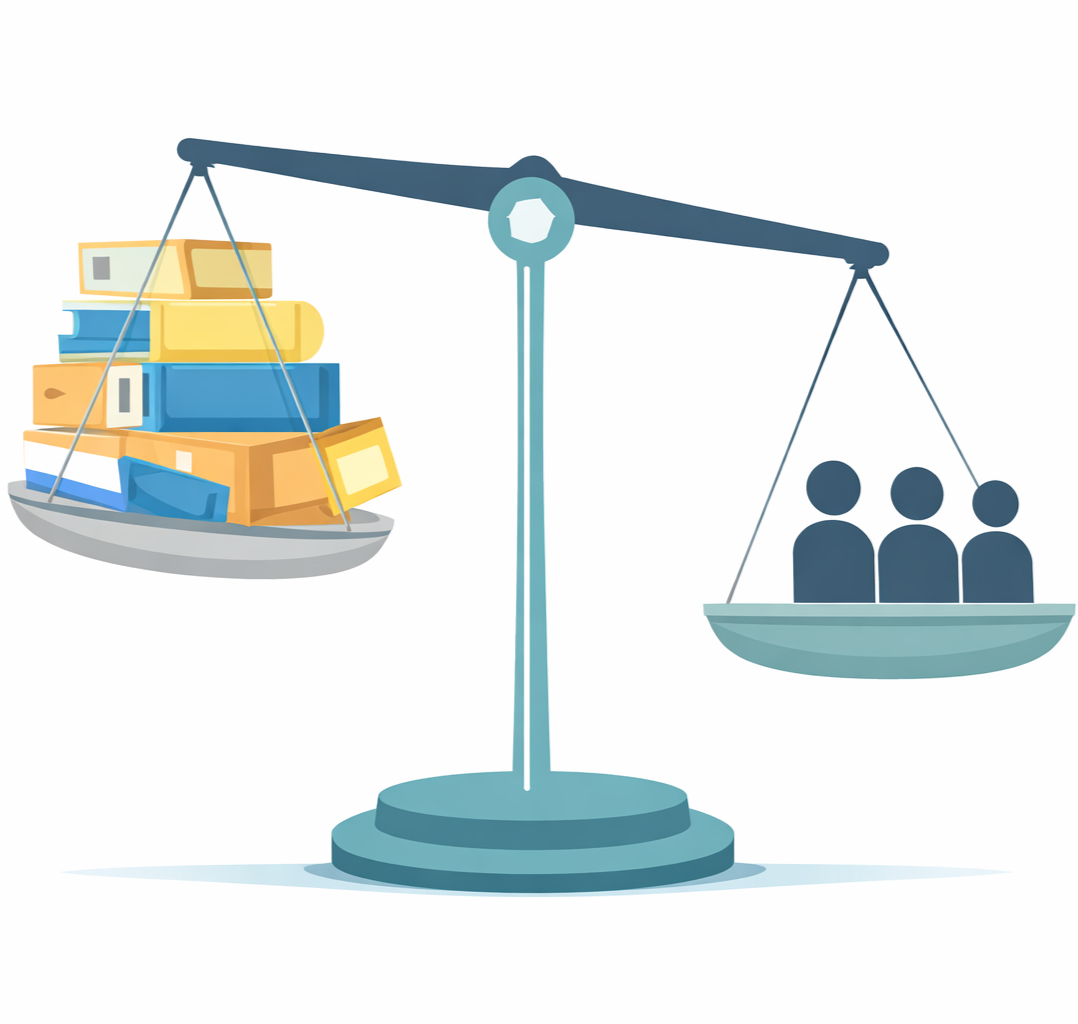
Most architecture and engineering firms don't have a talent problem. They have a capacity problem.
The work is there. The pipeline is real. But when a new project lands, the honest answer too often is: we don't have the production bandwidth to take it on right now. That's not a business strategy. That's a ceiling.
A structured capacity extension model gives A/E firms a way to move production volume off their core team's plate — without a new hire, without a long onboarding cycle, and without compromising the quality their clients expect. Your firm leads the work. An integrated drafting partner handles the production load.
Why A/E Firms Keep Hitting the Same Wall
Capacity ceilings aren't random. They're structural. And they tend to show up in one of three predictable ways.
The Hiring Cycle Can't Keep Pace With Opportunity
A/E firms grow in two patterns: gradually, or in surges. Gradual growth is manageable. Surges — a referral that brings three projects at once, a client who expands scope mid-year, a market shift that opens new work — are not.
When a surge hits, the firm's options are limited. Stretch the existing team. Slow delivery. Or say no. Hiring isn't a real option in that window. The average architecture hire takes 60–90 days from posting to start date, and another 60–90 days to reach full production output. By the time a new hire is contributing, the opportunity has already been managed — or missed.
Production Work Is Consuming the Wrong People
Not all architecture work requires the same level of judgment. Design decisions, client communication, and consultant coordination require your project architects and principals. Documentation, drafting, and coordination sets are process-driven — valuable, but not dependent on years of design experience.
When project architects spend the majority of their time on production drafting, the firm is using its most experienced people on work that doesn't require their expertise. That's a capacity problem, but it's also an efficiency problem. The two compound each other quickly.
There's No Structure for Overflow
Most A/E firms have no defined system for handling production overflow. Work either gets absorbed by whoever has margin in their schedule, pushed to a junior staff member without enough context, or delayed until bandwidth opens up.
None of those options scale. And none of them give a principal the confidence to say yes to new work without already knowing how it gets delivered.
What Is a Capacity Extension Model?
A capacity extension model integrates an offshore drafting team directly into your firm's production workflow — with defined file handoff protocols, a consistent communication cadence, and QA checkpoints before deliverables advance — rather than assigning isolated tasks on a one-off basis.
The distinction matters. A vendor completes a task. A capacity extension partner works inside your process. They receive your files, follow your standards, and return production-ready deliverables on a schedule your team can plan around.
What This Looks Like in Practice
Imagine a 185-person architecture firm in the Southeast. Established. Respected. The kind of firm that has built its reputation over decades on delivering complex work with consistency. Their pipeline is strong, their leadership is experienced, and their internal process is refined.
Now imagine that firm gets the call they've been working toward — a national retailer wants them to manage a multisite rollout program. Forty locations. Phased over eighteen months. It's exactly the kind of program-level work that firms their size are built for.
The Breakdown
Their project architects are good. But they're already committed. Active documentation sets, ongoing client coordination, consultant reviews — the work that keeps current projects moving. The multisite rollout doesn't need more design leadership. It needs production depth. Drafting volume. The ability to run multiple location packages simultaneously without everything flowing through the same four people.
The firm looks at the opportunity and does the math. To say yes, they'd need to pull existing staff off active projects, push overtime across the team, or delay the rollout schedule before it even starts. None of those options are acceptable to the client — or to the firm.
On paper, it looks like a resourcing problem. In practice, it's simpler than that: too much drafting volume, not enough structure to handle it.
The Root Cause
The firm has no defined system for extending production capacity. Everything moves through the same internal team, on the same schedule. When volume exceeds what that team can absorb, there's no playbook. Work slows, staff stretches, and principals start making decisions about which projects get attention first.
That's not a talent issue. It's a workflow issue. And it's fixable.
The Shift
The firm brings in an offshore drafting partner and builds a file handoff process around the rollout structure. Project architects own the design decisions. They prepare marked-up files, write clear scope notes, and hand off location packages to the drafting team on a defined schedule. The drafting team returns updated drawing sets within an agreed turnaround window.
This is where the difference from a transactional vendor becomes tangible. The firm isn't just sending files and hoping. They're building a repeatable structure — handoff protocols, turnaround expectations, a single async review cycle, and a QA checkpoint before any package advances to the next phase. The communication cadence is established at the start of the engagement, not improvised job by job. By the third location package, the drafting partner knows the firm's standards. That knowledge carries forward across all forty sites.
A transactional vendor resets with every job. This doesn't.
The Outcome
The rollout moves forward on schedule. Project architects stay focused on design coordination, client communication, and consultant management — the work that actually requires their experience. The firm delivers forty locations without adding a single full-time hire or extending hours across their internal team.
The Insight
The opportunity was never the problem. The structure was. Once the firm had a defined way to extend their production capacity, the decision to say yes stopped being a capacity gamble and became a workflow question. That's a different firm than the one that almost said no.
When This May Not Be the Right Fit
A capacity extension model isn't the right move for every firm at every stage. A few situations where it may not fit yet:
Your production process isn't documented consistently enough to hand off with clear scope notes
There's no internal point of contact who can own the handoff and review cycle
You're looking for a short-term cost fix rather than a repeatable production structure
Your project types shift significantly from job to job, making standardized handoffs difficult
These aren't permanent barriers. But they're worth identifying before building an integration — not after.
The Firms That Benefit Most
The capacity extension model works best for A/E firms that have a defined project type they deliver repeatedly — commercial, mixed-use, multi-family, institutional — and a principal or project manager who can own the handoff process.
If your firm has a bread-and-butter project type, that's where integration starts. The documentation phases are predictable. The standards are established. The handoff points are clear. That's the entry point — and once the model is running on your core project type, expanding to adjacent work is straightforward.
The goal isn't to hand off your firm's identity. It's to protect your team's time for the work that actually requires them.
If your firm is turning down work it should be winning, that's a problem worth solving. But the answer to a capacity crunch isn't always hiring. Sometimes it's a structure problem — and structure is fixable. A defined production extension can bridge the gap without waiting six months for a new hire to ramp up.
If you find yourself stuck between needing more capacity and not having the time to build it, we know some people who'd love to step in and help.